


What to know if your C. diff keeps coming back, and why treatment alone is often not the full answer.
Many people assume that once the infection is treated, recovery should be straightforward. But C. diff often leaves people with bigger questions about gut healing, recurrence, and what to do next. This page highlights five parts of recovery that are often not explained clearly enough.
1. Standard treatment focuses on the infection — not the full recovery

Doctors play an important role in treating C. diff, especially in more serious cases where antibiotics or other medical treatments may be necessary. Getting proper medical care is an important part of recovery.
At the same time, many people are surprised to learn that standard treatment is mainly designed to bring the infection under control. It does not always address everything else involved in the recovery process — especially when it comes to restoring the gut environment and reducing the risk of recurrence.
Most doctors follow established treatment guidelines, which are designed to be safe and effective for a wide range of patients. These approaches are essential for managing the infection itself. However, they are not always tailored to the unique factors that can influence recovery, such as microbiome health, gut sensitivity, diet, or previous antibiotic exposure.
In addition, not every doctor has extensive experience with C. diff, particularly outside of hospital settings. And because its symptoms can overlap with other digestive problems, some people may experience delays in diagnosis, confusion during recovery, or incomplete guidance once treatment ends.
And while physicians are highly trained in diagnosing and treating disease, areas like nutrition, the gut microbiome, and supplement-based support are often not a primary focus of conventional medical training.
Because of this, some parts of recovery are often not discussed in detail, especially the part about what happens after the infection is under control.
This is one reason many people find that recovery involves more than just treatment alone. It often involves calming gut irritation, rebuilding a healthier balance, and strengthening the environment so C. diff is less likely to return.
You can see how this fits into a broader recovery approach here: 3 Steps to Lasting C. diff Recovery →
2. Recurrence is common and often not fully explained

One of the most frustrating parts of C. diff is that the infection can come back after treatment seems to work. Many people start to feel better, only to have symptoms return weeks or even months later.
That can happen for several reasons. Even after the infection is more under control, the gut microbiome may still be depleted and out of balance. Without enough protective bacteria in place, the gut can remain vulnerable, making it easier for C. diff to return.
This is one reason recurrence is so common. Treatment may help reduce the infection, but it does not automatically rebuild the gut environment or restore the body’s natural defenses right away.
C. diff also forms spores, which can survive in the body or home environment and contribute to reinfection in some cases. When the gut is still weakened, those lingering risks can matter more.
If you want to reduce the cycle of recurring infection, it helps to understand not only how to treat the infection itself, but also how to support the gut as it recovers and becomes more resilient.
This is where Step 2 and Step 3 of recovery become especially important: 3 Steps to Lasting C. diff Recovery →
3. Antibiotics can help… but they also affect the gut environment

Antibiotics are often an important part of treating C. diff, and in many cases they are necessary to bring the infection under control. For some people, they can provide much-needed relief from symptoms.
At the same time, antibiotics do not only affect harmful bacteria. They can also reduce beneficial bacteria that help protect the gut and maintain balance.
When that balance is disrupted, it can create an environment where other issues are more likely to develop. Some people notice increased sensitivity in digestion, while others may experience shifts like yeast or fungal overgrowth, or imbalances in other types of gut bacteria.
This is one reason the gut can feel unsettled even after the infection itself is more under control or after treatment ends. In some cases, people go on to experience ongoing digestive symptoms often described as post-infectious IBS with symptoms such as loose stools, urgency, bloating, or food sensitivities — while the gut is still trying to recover.
Antibiotics also do not directly rebuild the microbiome or restore the gut environment on their own. That part of recovery often takes additional time and support.
Because of this, many people focus not only on treating the infection, but also on how to help the gut recover afterward and become more stable over time.
This is where supporting the gut environment becomes an important part of recovery: 3 Steps to Lasting C. diff Recovery →
4. Prevention and reinfection risks are often not explained clearly

C. diff is different from many other infections because it forms spores — tough, protective structures that can survive in the body and on surfaces for long periods of time.
These spores can make recurrence more likely, especially when the gut is still weakened after treatment. Even when symptoms improve, lingering spores in the home or digestive tract can still play a role.
This is one reason routine advice does not always go far enough. For example, alcohol-based hand sanitizers are not reliable against C. diff spores. Washing hands with soap and water, especially before eating, along with proper sporicidal cleaning of high-risk surfaces like toilets, bathrooms, and frequently touched areas can go a long way in helping lower exposure to lingering spores.
At the same time, recovery is not just about cleaning. The condition of the gut still matters. A stronger, more balanced gut is naturally better able to defend itself and resist overgrowth and recurrence. Because of this, lowering the risk of recurrence often involves both rebuilding the gut environment and reducing exposure to lingering spores in the home.
This is where Step 3 becomes especially important in helping reduce the risk of recurrence: 3 Steps to Lasting C. diff Recovery →
5. Diet and gut support can play an important role in recovery
For many people, recovery does not end when the infection starts to improve. The gut may still be irritated, sensitive, and out of balance for weeks or even months afterward.
Many people also find that foods they tolerated before C. diff may feel harder to handle during recovery. That can make it helpful to pay attention to hydration, simple meals, food triggers, and other ways to reduce stress on the gut while it heals.
This can also be the stage where people begin looking more seriously at probiotics, toxin support, and other ways to help restore a healthier gut environment. The goal is not just to feel better in the short term, but to help the gut become more stable and less vulnerable over time.
Recovery looks different for different people. Some people mainly need time and gentle support, while others continue to struggle with loose stools, food sensitivities, bloating, or other lingering digestive symptoms as the gut heals. That is one reason many people find it helpful to think beyond treatment alone and focus on what supports the gut afterward — including diet, microbiome balance, and the overall recovery environment.
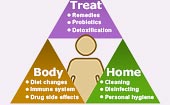
When people understand these five parts of recovery more clearly, it becomes easier to see why C. diff often takes more than treatment alone. That is also why Michelle teaches C. diff recovery as a 3-step process — bringing the infection under control, helping the gut repair and recover, and rebuilding the gut environment so recurrence is less likely.
Learn More About the 3-Step Recovery Approach
If this page helped clarify why C. diff recovery often involves more than treatment alone, Michelle’s free “10 Things You Need To Know About C. diff” report goes into more detail on probiotics, gut support, hydration, and other practical recovery topics.

About the Author – Michelle Moore, BS
Michelle Moore is a microbiologist, holistic health educator, and author of C. difficile Treatments & Remedies. Drawing on her background in microbiology, pharmaceutical research, and natural health, she has spent many years helping people better understand C. diff, gut recovery, and chronic infections.
Image credits: Doctor: ©Yuri/iStockPhoto; Myths: ©CDC; 3 Steps: ©Lester Moore; Stethoscope: ©bluestocking/iStockPhoto, Spray: ©foltolia.com/diego cervo