

Quick Summary:
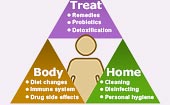
C. diff recovery usually involves three key steps: bringing the infection under control, helping the gut repair and recover, and rebuilding the gut environment to reduce the risk of recurrence. Many people struggle because treatment alone does not fully restore the microbiome or address toxin-related irritation.
If you’ve been through antibiotics, maybe multiple rounds, or even if you’ve had a fecal transplant and you still feel like your gut hasn’t recovered, you’re not imagining it.
For many people, C. diff recovery is not just about treating the infection. It is also about repairing the damage left behind and rebuilding the gut so the cycle is less likely to repeat.
The trouble is, once medical treatment ends, many people are left with very little guidance on how to help their gut recover and lower the risk of recurrence. And that’s where we come in.
This 3-step recovery framework is based on what Michelle Moore, BS — microbiologist, author, and founder of Embrace Health — has taught for years by helping people recover from chronic, resistant infections, restore gut health, and reduce the risk of recurrence after antibiotics.
- Bring the infection under control
- Help the gut repair and recover
- Rebuild your defenses so recurrence is less likely
1
Step 1: Bring the Infection Under Control

If you’ve spent any time looking into C. diff recovery, you already know how confusing it can be. Some people are told antibiotics are the only option. Others are overwhelmed by all the talk about probiotics, herbal supplements, essential oils, and home remedies – or they’ve already tried probiotics and feel like they didn’t help.
The truth is, bringing a C. difficile or C. diff infection under control is the first priority — but there is no one-size-fits-all answer for every person or every situation. The right approach depends on how severe the infection is, how often it has come back, what treatments you’ve already tried, and how well your body is tolerating everything.
In simple terms: Step 1 is about getting the infection under control so the gut can begin to stabilize.
For many people, the first step still involves prescription antibiotics. Others explore natural antimicrobial support, gut-supportive strategies, or a combination of both. Either way, the goal is the same: to help reduce the C. diff overgrowth and begin moving the gut in a more stable direction.
Antibacterial Support
C. diff often takes hold after the balance of protective bacteria in the gut has been disrupted, most often by antibiotic use. That is why the first step in recovery is to help bring the infection under control.
Doctors often prescribe antibiotics such as fidaxomicin or vancomycin for this purpose. However, some people also look into broad-spectrum herbal antimicrobial support when they want a non-antibiotic option, extra support, or a more natural recovery approach. You can explore both medical and natural treatment options here →
Well-formulated herbal antimicrobials may help support microbial balance without the same kind of widespread disruption to the gut microbiome that is common with antibiotics. For some people, they can be an important part of bringing the infection under control while also being gentler on the gut environment.
These professional formulas have been a helpful part of recovery for many people over the years, especially for those looking for broader antimicrobial support that also respects the importance of gut recovery.
Learn more: Michelle’s recommended herbal support formulas →
2
Step 2: Repair the Damage and Calm Gut Irritation
For many people, recovery does not end when the infection starts coming under control. Even after antibiotics or antimicrobial treatments, the gut may still feel irritated, sensitive, and out of balance for a while.
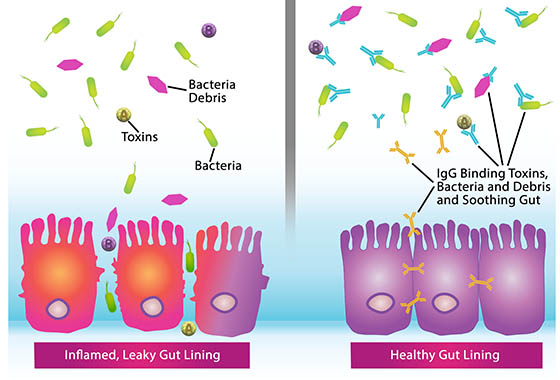
That is because C. diff recovery is not just about reducing the overgrowth. It’s also about helping the gut settle down, recover from toxin-related irritation, and rebuild a healthier internal balance.
In simple terms: Step 2 focuses on calming the gut and helping it recover from irritation and imbalance.
We’ve found that gut recovery often depends on support in three key areas during this stage:
- Reducing toxin-related irritation
C. diff releases two toxins in the gut (C. diff toxins A and B) that can irritate the gut lining, worsen diarrhea, and make recovery harder. The effects of these toxins may continue to irritate the gut even after the infection is more under control. In fact, higher toxin activity is often linked with worse symptoms. Binding and supporting the removal of these inflammatory toxins may help calm irritation, improve comfort, and support the gut healing process. - Rebuilding microbial balance with probiotics
After C. diff and antibiotics, the gut microbiome is often left depleted and out of balance. That may increase the risk of future C. diff recurrences and can also leave the gut more vulnerable to other imbalances. Targeted probiotics can help support a healthier intestinal environment and encourage the return of more balanced, protective gut microbiome. - Supporting the gut’s natural defenses
Certain probiotics, including S. boulardii and specific Bacillus-based strains, are well known for supporting the gut during diarrhea and other post-antibiotic challenges. This can be an important part of helping the gut become more stable again.
These are some of the main reasons Michelle’s recovery approach usually includes both targeted probiotics and focused toxin support — not just one or the other.
Michelle’s Recommended Gut Support

One of Michelle’s favorite combinations for this stage is a targeted probiotic-and-toxin-support approach designed to help recondition the gut after C. diff.
Gut Restoration Pack Special
Save 10% on your first order and get free shipping in the U.S. with coupon code SAVE10. This pack includes Michelle’s favorite spore-based probiotics for gut reconditioning, Saccharomyces boulardii for added diarrhea defense and gut support, and a highly targeted immunoglobulin binder for C. diff toxin support. Get Michelle’s Gut Restoration Pack today at her EmbraceHealthNaturals.com supplement site.
We provide C. diff-specific usage guides and ongoing support for customers who order directly through our website.
3
Step 3: Rebuild Gut Health and Lower the Risk of Recurrence
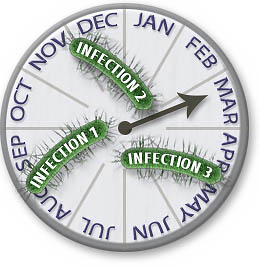
By itself, even the most effective antibiotic or natural antimicrobial approach may not be enough to fully lower the risk of recurrence. That is because lasting recovery often involves more than bringing the infection under control — it also means helping the gut rebuild enough stability and resilience so C. diff is less likely to take hold again.
In other words: Step 3 is about rebuilding a stronger gut environment so recurrence is less likely.
Stopping your infection is very important and the obvious first step you should take. But for many people, Step 1 is only the beginning. If the gut microbiome is still depleted and vulnerable afterward, the cycle may be more likely to repeat. This kind of Step 3 thinking grew out of Michelle’s own work with recurring infections and later became an important part of the recovery framework she teaches for C. diff.
This stage of recovery usually involves two important goals: rebuilding the gut environment so it is more resistant to future imbalance, and reducing reinfection risks from lingering spores in the home environment.

Strengthening the gut environment matters because antibiotics may help stop the infection, but they do not rebuild the protective bacteria that help keep C. diff in check. They also do not directly help restore microbial balance or calm the gut irritation and inflammation left behind. That is one reason many people continue to feel fragile, reactive, or prone to relapse even after treatment ends.
Reducing reinfection risk matters too. C. diff spreads via spores, which can survive on surfaces and make recurrence harder to avoid in some situations. That is why soap-and-water hand washing, hygiene awareness, and appropriate sporicidal cleaning can still play an important supporting role during recovery.
Because C. diff spores are unusually tough and are not reliably killed by alcohol-based hand sanitizers, proper hand washing and cleaning methods become especially important during this stage. Since these spores are often spread through contaminated fecal matter, hygiene awareness, handwashing, and appropriate disinfecting can all help lower reinfection risk.
Frequently Asked Questions
Why does C. diff keep coming back after treatment?
C. diff can come back because the gut microbiome is often still weakened after treatment. Even if the infection is more under control, the gut may remain vulnerable if protective bacteria have not fully recovered and the gut environment is still out of balance.
What helps the gut recover after C. diff?
Gut recovery often involves more than treating the infection itself. Many people focus on calming gut irritation, supporting recovery from toxin-related damage, rebuilding the microbiome, staying hydrated, and using diet and other gut-supportive strategies to help the gut become more stable again.
Do probiotics help after C. diff?
Probiotics may help support the gut after C. diff by encouraging a healthier microbial balance and supporting the gut’s natural defenses. Some people especially look at Saccharomyces boulardii and certain spore-based Bacillus probiotics during recovery after antibiotics.
Continue Learning About C. diff Recovery
If you’re trying to understand what to do after treatment or how to lower the risk of recurrence, Michelle has created additional resources to help.
Her free e-book, 10 Things You Need To Know About C. diff, covers practical recovery topics in more detail, including probiotics, toxin support, hydration, diet, and other gut-supportive strategies often used during recovery.
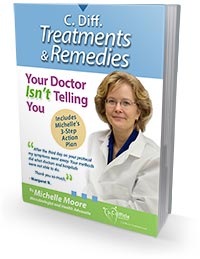
Michelle’s book, C. difficile Treatments & Remedies, also explains her broader 3-step framework for helping people think through infection control, gut recovery, and recurrence prevention.
Learn more: Michelle’s C. Diff Treatments & Remedies book →
About the Author – Michelle Moore, BS
Michelle Moore is a microbiologist, holistic health educator, and author of C. difficile Treatments & Remedies. Drawing on her background in microbiology, pharmaceutical research, and natural health, she has spent many years helping people better understand C. diff, gut recovery, and chronic infections.
Image credits: Doctor: ©Yuri/iStockPhoto; Myths: ©CDC; 3 Steps: ©Lester Moore