
Last updated September 23, 2025
What is C. diff and how do you get it?
How do I stop recurring infections?
Will I get better, what can I do about C. difficile?
Which antibiotics are most likely to cause C. diff?
Should I stop taking antibiotics?
How do I know if I have C. difficile?
How long does C. difficile live on surfaces?
What is C. difficile?
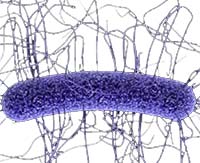
C. difficile (or C. diff) is a tough, toxin-producing bacteria that can take over your gut — especially after antibiotics wipe out your good bacteria. It causes diarrhea, inflammation, and in some cases, life-threatening illness.
What makes C. diff so tricky is that it forms spores — like tiny seeds — that can survive for months and come back later if your gut hasn’t healed. You can catch it from contaminated surfaces, bathrooms, hospitals, or even from your own gut after antibiotics. Learn more about C. Diff.
What is C. diff and how do you get it?
C. diff is a harmful bacteria that can take over your gut, especially after antibiotics — often causing intense diarrhea, pain, and relapse. It spreads easily and can be hard to get rid of because it forms spores that survive on surfaces and inside your body. See how C. diff infections start and why they’re so hard to beat.
How do I stop recurring C. diff. infections?
 20 to 25% of people who get infected with C. diff. suffer at least one recurring infection. C. difficile bacteria and their spores can lay dormant for months or years, waiting for the right conditions to cause re-infections.
Another reason recurring infections are so common is that most treatments do nothing to help prevent future infections. In fact, antibiotic treatments weaken your immune and upset the natural defenses in your intestines, killing off the protective bacteria that can keep C. difficile in check. This creates the perfect opportunity for C. diff. re-infection.
There are many things you can do to minimize the chances of having recurring infections. One is that you need to focus on restoring balance and health to your gut flora. Another is proper hygiene and cleanliness to prevent re-infection with C. diff. spores.
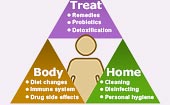
A big factor in preventing recurring infections is to help your body become more resistant to infections. This involves addressing the root cause of the infection rather than just its symptoms. Find out more here on 3 steps to stop C. Diff.
Will I ever get better?
If you’ve been struggling with C. diff. and can’t get rid of it, realize that there is definitely hope for you! You can get rid of this infection for good, but it may take a different approach than what you’ve done before.
While antibiotic drugs become less effective against C. diff. every year, there are many natural antibiotics that can work as well, if not better, than antibiotics. These natural treatments can be chosen and tailored specifically to your particular needs.
I believe it’s in your best interest to know what natural antibiotics work and how they’ve been used, because antibiotics can not be relied upon exclusively. Many people have been very successful with natural approaches. The key is to understand what you’re dealing with, know all your treatment options (natural and antibiotic) and have a road map to fit all the pieces together.
Is C. difficile contagious?
Yes. C. difficile can be very contagious. C. diff. is easily spread from person to person through touch and from contact with contaminated objects or surfaces. C. difficile carriers can spread the disease, even if they themselves don’t have an infection. Many people carry C. difficile and don’t even know it, and they may never get sick or ever have an infection. C. difficile is a growing part of our society and all of us are exposed to these bacteria more often than we realize. Your chances of catching it can be increased or decreased by a number of activities.
There are many things you can do to lower your risk or getting infected or infecting someone else. It’s important to use effective as well as healthy hygiene practices. Boosting your body’s resistance to infection and strengthening your defenses are important for prevention and treatment. Many of these methods fall outside of most doctor’s realm of expertise or familiarity, so you never hear about them. Learn more about how contagious C diff. is.
Which antibiotics are most likely to cause C. diff?
Some antibiotics carry a much higher risk of triggering C. diff than others. We’ve put together a detailed guide showing the top 5 high-risk antibiotics, which ones are considered safer, and what questions to ask your provider before taking them.
Read the full article on antibiotics and C. diff
Should I stop taking antibiotics?

I think it’s best to be open to any and all methods available if they are needed and appropriate for you. Antibiotics are one of those methods. Antibiotics do have a time and a place in many cases and can literally make the difference between life and death. But because of the many alternatives available, I personally believe antibiotics should be reserved as a last resort for treating any kind of infection.
Most natural infection treatments don’t have the heavy-handed side effects of antibiotics. Natural methods can also support your immune system and help balance your intestinal flora, whereas most antibiotics do the reverse. However, if I truly needed antibiotics, I would take them, knowing that I can counteract their side effects using probiotics and other methods. The key is to make an informed decision based on the best available knowledge with an open view to all your options. Learn more about antibiotic options here.
How do I know if I have C. difficile?
C. difficile is often diagnosed based on your symptoms, C. diff stool testing and evaluation of your risk factors, especially diarrhea combined with recent hospitalization or antibiotic use. Laboratory tests of your stool for the toxins the bacteria produce is a very common test. Diagnosis may be aided by examining the inside of your large intestines using Colonoscopy.
More than one type of test or method of diagnosis is usually used together. This is because the lab tests are prone to error and the symptoms of C. diff. are shared by other illnesses.
Some cases of C. difficile are so mild that it may go away after a few days untreated. Stopping whatever antibiotics you’re taking may be enough to stop a C. diff. infection. The most common symptoms are loose stools, diarrhea and cramps. More severe infections can cause colitis and more dangerous conditions, such as a hole in your intestines (perforation).
How long does C. difficile live on surfaces?
Because C. difficile can form into protective spores, it can live in its dormant (inactive) state for years on various surfaces, in the soil and inside your intestines. C. Diff. has to get off the surface and into your body, which happens commonly because of poor personal hygiene. Oral-fecal contamination is a common route of infection if you don’t wash your hands well after visiting the bathroom.
Be aware that alcohol-based cleansers commonly used for hygiene do not kill C. difficile spores. It’s best to wash your hands with soap and water. Regular cleaning of surfaces using a non-alcohol disinfectant is also important. You can find out more here on C diff. infection control practices.
Find out more about C. Diff



About the Author – Michelle Moore, BSc
Michelle Moore is a microbiologist, holistic health educator, and author of C. difficile Treatments & Remedies. With over 10 years of experience in pharmaceutical research and over 20 years in natural medicine, she helps people overcome C. difficile and other chronic infections naturally.