Most disinfectants and cleaners can cause more harm than good
 The C. difficile superbug is a growing risk with the rise of antibiotic resistance. If you or a family member is sick, it’s vital that you understand and practice good infection control techniques to protect you and your family from becoming infected. Good hygiene practices can also help you to recover faster from a C. difficile infection.
The EPA advises people to only buy non-toxic and unscented cleaning products. Synthetic chemicals used in many cleaning products are toxic and they can weaken your body and leave you MORE vulnerable to infections in the long run.
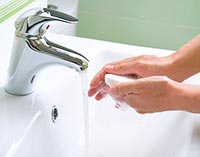
The same goes for hand soaps. Consistent hand washing is very important, especially if you’ve touched contaminated surfaces. However, the type of soap you use can make a big difference for your immune health.
How does C. difficile move from person to person?
C. difficile bacteria make “spores” which can live on surfaces or clothing for years. Spores are like a protective armor that bacteria can wear while dormant (think of a seed), allowing them to survive for long periods in harsh conditions. C. difficile spores are easily spread from person to person through touch, contact with contaminated objects or surfaces like hand rails, bathroom sink areas, cell phones, keyboards, gym equipment and more. However, C. diff. spores must be ingested to cause an infection through fecal-oral transmission.
Will hand washing prevent C. difficile?
Hand washing is a powerful method for preventing and control of this bacteria and is one of the most important measures you can take to prevent getting infected from others who are sick.
 Be sure to wash your hands well in warm soapy water. I do not advocate the use of antibacterial soaps, as studies have shown they can weaken your skin’s natural defenses, and can actually INCREASE your chances of getting infected. In fact, the European Union has banned many antibacterial agents used in hand soaps that are commonly sold here in the USA. Why? For causing antibacterial resistance and other health issues. Be sure to use natural soaps without antibacterial ingredients.
Also, be aware that alcohol will not kill C. difficile spores. So while using popular hand sprays and sanitizers that contain alcohol will help, it will not fully clean your hands.
Also keep in mind that over-washing your hands can be bad as it can lead to cracks in your skin, which can make your skin vulnerable to picking up other infections like Staph or MRSA.
Safe and effective disinfectants
For some reason, our culture doesn’t seem to think twice about using toxic and poisonous compounds to clean our homes. For your ultimate health and safety from C. difficile and other infections, consider switching to effective natural cleaners.
Bleach is a common and effective disinfectant when it comes to C diff, but it must be used very carefully to avoid exposure to harmful byproducts. While bleach is the only EPA approved product for killing C. difficile, there are actually quite a few safe alternatives you can purchase or make yourself that are effective for disinfection. Many are made with natural antibacterial agents like essential oils or colloidal silver. Using safer cleaners can help your body stay healthier and thus more resistant to infections.

 Fill in the form below to get our C. diff. tips newsletter and your free report “10 Things You Need to Know to Overcome C. difficile”.
We value your Privacy. Your email will be kept strictly confidential & secured. See our
Fill in the form below to get our C. diff. tips newsletter and your free report “10 Things You Need to Know to Overcome C. difficile”.
We value your Privacy. Your email will be kept strictly confidential & secured. See our